
The intake process is a critical step in workforce development programs, capturing essential data like demographic details, education history, and employment status. However, this process often misses a crucial opportunity: understanding the social networks participants bring with them. By neglecting social capital—a key determinant of success—programs risk underutilizing one of the most transformative resources participants already have.
Reimagining Workforce Programs: Unlocking the Power of Social Capital
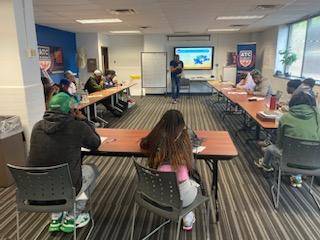
I vividly recall working with a group of Opportunity Youth and asking them a simple question: “If you could invite one person outside of your immediate family to your graduation, someone who would be proud of your progress, who would it be?” At first, there was silence. Many struggled to think of anyone. But when I used our social capital priming tool—a form that helps job seekers reflect on specific figures like caring teachers, concerned probation officers or judges, helpful neighbors, local businesspeople, or former program directors—the responses began to flow. It became clear: their networks were rich with potential, yet underutilized and often untapped social capital.
This experience revealed a critical truth: people often don’t know who they know. Without guidance, many participants cannot easily identify their connections. Furthermore, trauma, self-doubt, and negative past experiences often create mental blocks that hinder this process. Any attempt to help participants recall their networks must implement consistent and intentional strategies to address these barriers. This is where our Social Capital Builder Framework comes in.
This framework introduces a trauma-informed, structured approach to uncovering participants’ networks, using targeted priming techniques and exercises designed to break through emotional and cognitive barriers. By intentionally guiding participants to recognize and activate their social connections, we turn what is often a superficial intake process into a transformative step toward empowerment.
After encouraging the youth to identify their connections, I posed a follow-up challenge: “What if you didn’t wait until graduation to update these people about your progress? What opportunities might open up if you connected with them monthly?” Almost unanimously, they agreed this would create opportunities they couldn’t have imagined—job leads, mentorship, or simply encouragement to persist.
The traditional intake process, which focuses solely on data like education and employment history, is not enough. A reimagined intake process that integrates social network analysis allows programs to identify the untapped potential of participants’ relationships. By embedding tools like the Social Capital Builder Framework into the intake process, workforce programs can ensure participants leave not just with skills and certifications but with a robust, supportive network that empowers them to thrive. Social capital must become a fundamental component of workforce development, transforming how we prepare individuals for success.