
When only a third of Americans believe that most people can be trusted, something deeper is at play than individual cynicism. The new Pew Research Center report, “Americans’ Trust in One Another,” confirms what many of us working with youth and job seekers already know: trust is no longer a social default—it’s a privilege shaped by experience, environment, and equity.
Why Trust Declines—And Who It Hurts Most
The report reveals that trust is not evenly distributed. Black and Hispanic Americans report significantly lower levels of trust than their White and Asian peers—even when controlling for income, education, and partisanship.
That’s because trust isn’t simply about optimism. It’s about survival. When people face systemic exclusion, violence, or institutional betrayal, distrust becomes a learned protective behavior.
This breakdown in trust isn’t just personal—it’s structural. Without trust, collaboration suffers. Social cohesion erodes. And access to opportunity disappears.
The Role of Social Capital Literacy
That’s why social capital literacy is not a luxury—it’s a necessity. In fact, it’s a civil right.
At Social Capital Builders, we define social capital literacy as:
The knowledge, confidence, and competencies to access, develop, and manage social capital—while learning how to effectively use skills, tools, and strategies to grow it.
It’s about teaching people how to build quality relationships with Institutions, Organizations, and Individuals (IOIs) that can support their economic and social mobility.
And trust is the foundation of those relationships.
Communication Is the Missing Link
As Harvard professor Alison Wood Brooks highlights in her book Talk, people often miss out on being trusted—not because they’re untrustworthy, but because they fail to communicate the good they’re doing. Trust is built through visibility, not invisibility.
That insight shapes everything we do. At Social Capital Builders, we focus on anchoring—the intentional act of building trust by signaling effort, commitment, and transformation.
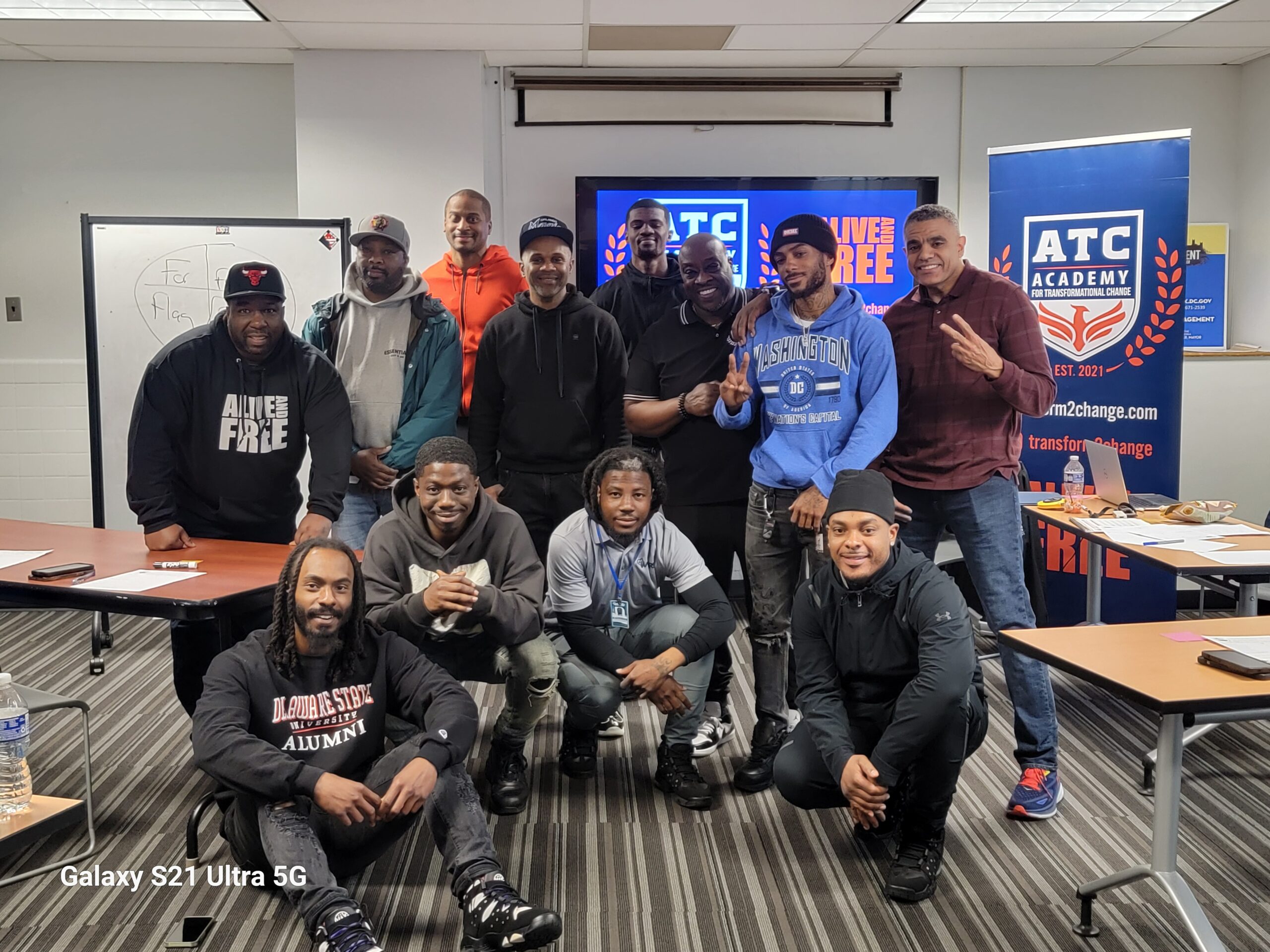
In one training session with young adults ages 21–35 identified as at risk for gun violence, we asked them: “Who in your life holds social capital?” Most responded, “No one.”
But as we unpacked the idea of IOIs, stories emerged: judges, probation officers, counselors from programs they’d been kicked out of. One young man declared, “I don’t F#$% with the police,” but later admitted, “I do know a judge.”
That moment marked a shift.
We brought in credible messengers—people with shared life experience—who explained how they’d maintained ties to authority figures. And the result? One of those same judges now invites a formerly incarcerated man to speak to youth currently on probation.
That’s not luck—that’s anchoring in action.
Trust Isn’t Equal—But It Can Be Built
While many affluent young people have access to affluent adults, very few have a connection to a judge. But I know a few million African American men who do—the ones who’ve gone through the justice system. That’s a hard truth. But it’s also an opportunity.
I’m not saying every judge is ready to go the extra mile—but every one I’ve met has been. And that means something.
If we can teach young people how to recognize, build, and signal trust with key stakeholders—like judges, city council members, or corporate execs — we can change opportunity as we know it. We can help young people not just escape their past, but rewrite their narrative and future.
At the same time, we must hold institutions and leaders accountable for being worthy of trust. Trust cannot be demanded from those who have been hurt—it must be earned and reciprocated by those in power.
And let’s be honest: if social capital isn’t part of the education system—if we know it’s not just what you know but who you know—how can people fully trust a system that claims to prepare them for economic success while leaving out one of its most critical components?
Want to start building trust? Speak the truth about the power of social capital literacy. Until we do, we’re only offering part of the equation—and leaving too many behind.
Bridging the Trust Gap
The Pew report notes a “virtuous circle” between trust and social health. But how do we create that circle in communities burdened by trauma, marginalization, and systemic injustice?
We begin with education and intentional design:
- Teaching young people the science of social networks and equipping them with the tools to build, measure, and maintain meaningful connections with key stakeholders.
- Training workforce and youth development staff to guide youth and job seekers through the social capital building journey with empathy, structure, and purpose.
- Coaching employers, judges, and institutions to design programs and opportunities rooted in a social capital literacy framework—one that prioritizes relationships, access, and long-term trust.
This is the essence of the Social Capital Smart model.
We’re facing a trust crisis—but we’re also standing at the edge of a trust opportunity.
Let’s invest in social capital literacy with the same urgency we invest in reading, math, digital skills, or job training. Let’s teach young people to build trust—not just in others, but in themselves and their future.
Because trust doesn’t grow in silence. Trust grows through communication.
And opportunity? Opportunities emerge from the quality of our relationships.