

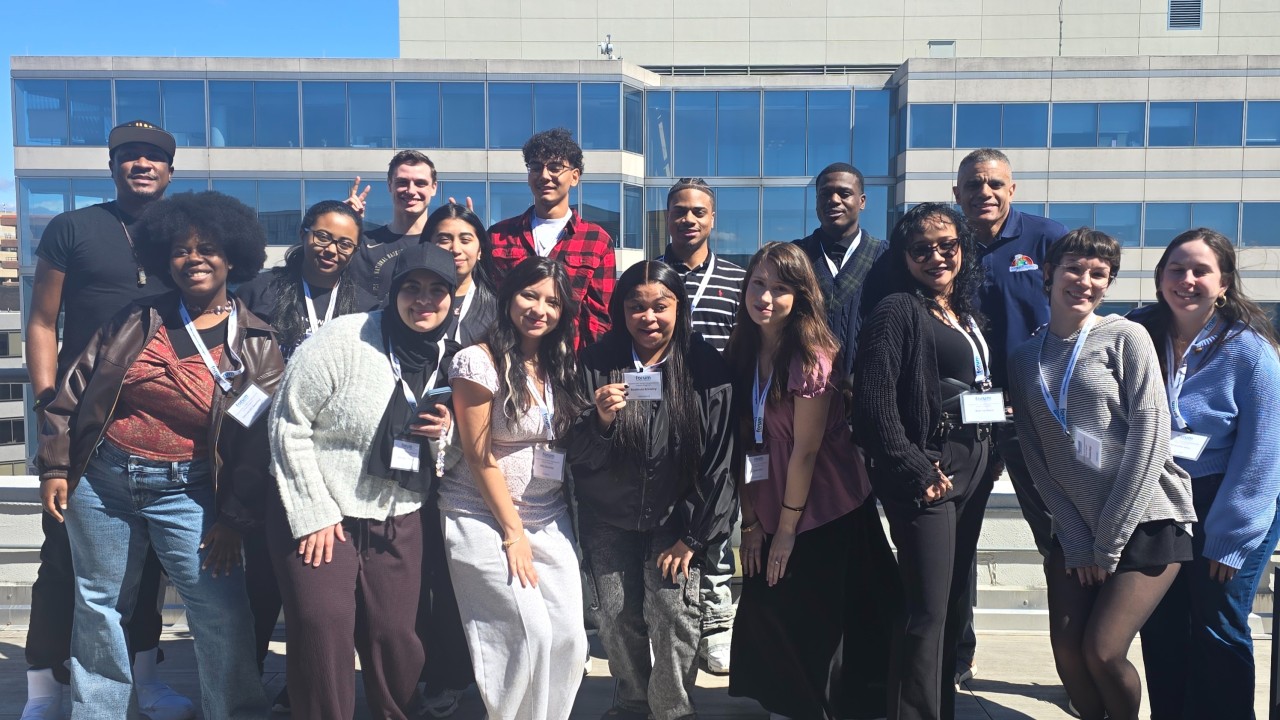
Youth development has long been built around a powerful idea: young people are assets. We are taught to see their strengths, believe in their potential, recognize what is already there, and help them develop it.
When we actually look, we may uncover the teacher who still cares. The family member with years of experience in an industry. The coach who sees something special in them. The probation officer who consistently checks in. The judge who encouraged them. The good friend who keeps them focused. The neighbor who works at a company they never thought they could access.
These are not side notes in a young person’s life. These are assets.
Call your cousin and ask him for help,would have missed the entire point.
So he did something different.
He started by giving, not asking.
He reached out. He shared what he was working on. He kept his cousin updated on the positive steps he was taking. He demonstrated through his actions that he was serious about moving forward. Over time, the connection began to change. His cousin could see his progress, not simply his past.
And then came the outcome: the cousin became a resource for his future in construction.
That is social capital building.
Why?
Because uncovering social capital takes work.
You have to sit with a young person. Ask questions. Map connections. Challenge assumptions. Look beyond the obvious people. Help them recognize value where they may have been taught there is none.
Equally important, we have to teach young people the discipline of staying connected. People are busy, overwhelmed, and sometimes they simply do not respond. Silence is not a measure of your worth. Social capital building requires resilience, consistency, and the confidence to reach out again. We have to support young people through that process while holding them accountable for doing the work.
When adults discount a young person’s existing connections, we unintentionally teach that young person to discount them too. We reinforce the idea that opportunity is always somewhere else, held by somebody more important, instead of teaching them how to recognize, value, build, and maintain the social capital already within reach.
Youth development asks us to see young people not as we wish they were, but as they are, full of assets and possibility.
Their connections deserve that same respect.
Before we give a young person another connection, let’s first help them discover, activate, and build the value of the ones they already have.